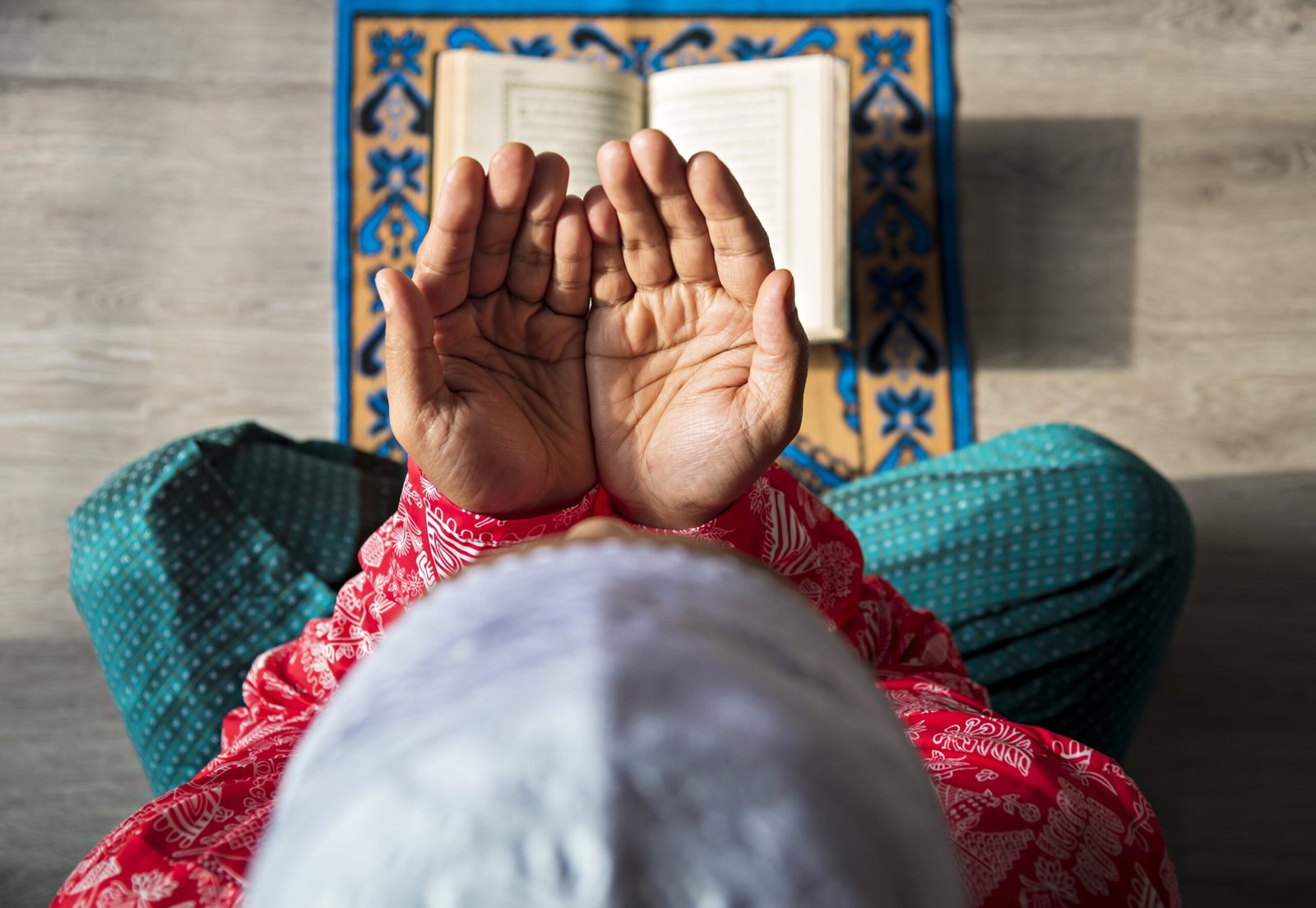
Hey there, if you’re reading this, maybe you’ve stumbled upon a news story about a Muslim holiday, chatted with a coworker who fasts during Ramadan, or just felt that pull to understand one of the world’s major religions a bit better. I get it—starting out can feel overwhelming, like trying to sip from a firehose of history, culture, and spirituality. Back when I first dipped my toes into learning about Islam, I was that wide-eyed newbie flipping through books in a library, wondering if I’d ever grasp the basics without getting lost in translations. But trust me, it’s not as daunting as it seems. This guide is your friendly roadmap, packed with straightforward steps, real talk, and a dash of humor to keep things light. We’ll cover the essentials, bust some myths, and point you to resources that won’t bore you to tears. By the end, you’ll have a solid foundation to build on, whether you’re curious for personal growth, building bridges with friends, or even exploring faith. Let’s dive in— no prior knowledge required, just an open mind.
Why Learn About Islam Today?
In a world that’s more connected than ever, understanding Islam isn’t just nice—it’s essential for fostering empathy and dismantling stereotypes that divide us. Whether you’re traveling, working in diverse teams, or simply scrolling through social media, knowing the basics helps you appreciate the rich tapestry of human beliefs. Plus, with over 1.8 billion Muslims worldwide, chances are you’ll encounter Islamic influences in art, food, or philosophy without even realizing it.
Think about it: Islam has shaped everything from algebra (thanks, Al-Khwarizmi!) to stunning architecture like the Taj Mahal. Learning about it opens doors to new perspectives, much like how picking up a foreign language lets you order coffee abroad without embarrassing yourself. And hey, in these polarized times, being informed is your superpower against misinformation—imagine confidently correcting a misguided comment at a dinner party. It’s rewarding, eye-opening, and might just spark friendships you never expected.
The Fundamentals: What Is Islam?
At its heart, Islam is a monotheistic faith founded in 7th-century Arabia, emphasizing submission to the will of God, or Allah in Arabic. It’s not just a religion but a complete way of life, guiding everything from daily routines to ethical decisions. For beginners, starting here means recognizing that Islam shares roots with Judaism and Christianity, all tracing back to Abraham.
The Six Articles of Faith: Building Blocks of Belief
These six core beliefs form the spiritual foundation for Muslims, outlining what to hold true in an unseen realm. They’re like the roots of a tree—unseen but essential for growth. Understanding them gives you insight into why Muslims live as they do, from prayers to moral choices.
Belief in One God (Tawhid)
This is the cornerstone: there’s only one God, indivisible and without partners. It’s a unifying principle that emphasizes equality, as everyone submits to the same Creator. For newcomers, it’s a reminder that Islam’s God is the same as in other Abrahamic faiths, just called Allah.
Belief in Angels
Angels are God’s messengers, created from light, without free will—they simply obey. Think of Gabriel delivering revelations or recording angels noting deeds. It’s not fantasy; it’s about an invisible support system in the divine plan.
Belief in Divine Books
Muslims revere scriptures like the Torah, Psalms, Gospel, and Quran as God’s guidance. The Quran is seen as the final, unaltered word. This belief highlights Islam’s respect for previous revelations while prioritizing the Quran for daily life.
Belief in Prophets
From Adam to Muhammad, prophets are human guides chosen by God. Muhammad is the last, sealing the message. It’s about continuity—Jesus, Moses, and others are honored, showing Islam’s interconnectedness with other faiths.
Belief in the Day of Judgment
Life’s a test; afterlife brings accountability. Good deeds lead to paradise, bad to punishment. This motivates ethical living, like a cosmic report card encouraging kindness now.
Belief in Divine Decree (Qadr)
God knows and ordains all, yet humans have free will. It’s balancing fate with responsibility—bad things happen, but responses matter. This fosters resilience, knowing everything has purpose.
The Five Pillars of Islam: Practices in Action
These obligatory acts are the framework of Muslim worship and community. They’re practical steps that turn belief into habit, like daily workouts for the soul. Mastering them as a learner shows how Islam blends spirituality with social justice.
Shahada: Declaration of Faith
Reciting “There is no god but God, and Muhammad is His messenger” affirms commitment. It’s simple yet profound, marking entry into Islam. For beginners, it’s the gateway—say it sincerely, and you’re in.
Salah: Prayer
Five daily prayers facing Mecca connect believers to God. It’s ritualistic, with prostrations and recitations, promoting discipline and mindfulness. Imagine hitting pause on life multiple times a day for reflection—therapeutic, right?
Zakat: Almsgiving
Giving 2.5% of savings annually to the needy purifies wealth and combats inequality. It’s mandatory charity, not optional. This pillar underscores Islam’s emphasis on social welfare, like a built-in wealth tax for good.
Sawm: Fasting in Ramadan
Abstaining from food, drink, and negativity from dawn to dusk builds empathy and self-control. It’s a month-long reset, ending in celebration. For learners, trying a fast day reveals its depth beyond hunger.
Hajj: Pilgrimage to Mecca
Once-in-a-lifetime journey for the able, uniting millions in equality. Rituals commemorate Abraham’s story. It’s the ultimate equalizer—rich and poor in simple garb, focusing on devotion.
- Benefits of Practicing the Pillars: Builds discipline, fosters community, promotes charity, enhances spirituality, encourages self-reflection.
- Challenges for Beginners: Adjusting to prayer times, calculating zakat, enduring fasts, saving for Hajj, understanding Arabic phrases.
Common Misconceptions About Islam: Setting the Record Straight
Misunderstandings often stem from media portrayals or cultural mixes, leading to unfair biases. Clearing them up is key to respectful learning. Let’s tackle a few head-on with facts.
Islam Promotes Violence
Far from it—Islam means “peace” from submission to God. The Quran stresses mercy; violence is only defensive and regulated. Extremists twist texts, but most Muslims condemn terrorism, as surveys show.
Women Are Oppressed in Islam
History says otherwise: Islam granted women inheritance, education, and divorce rights centuries before the West. Hijab is choice for many, symbolizing modesty, not subjugation. Cultural practices vary, but the faith empowers.
All Muslims Are Arabs
Only about 20% are; most live in Asia, like Indonesia. Islam’s universal—transcending ethnicity. This myth ignores global diversity, from African to European Muslims.
Muslims Worship Muhammad
Nope, he’s a prophet, not divine. Muslims revere him as a model but worship only God. It’s like respecting a teacher without idolizing them.
Jihad Means Holy War
Primarily, it’s personal struggle for betterment. Military jihad is rare, defensive. Think inner battle against laziness, not conquest.
Pros of Addressing Misconceptions:
- Builds bridges and reduces fear.
- Encourages dialogue.
- Enhances personal growth.
Cons:
- Takes effort to educate others.
- Can face resistance from biased views.
Best Resources for Beginners: Where to Start
Diving in? Start small—pick one book or course. Quality over quantity avoids overload. Here’s a curated list based on reliable sources.
Top Books for New Learners
These are accessible, not overly academic, perfect for self-study.
- “The Koran: A Very Short Introduction” by Michael Cook: Breaks down the Quran simply.
- “Muhammad” by Michael Cook: A concise bio of the Prophet.
- “No god but God” by Reza Aslan: Modern take on Islam’s evolution.
- “Islam and the Destiny of Man” by Charles Le Gai Eaton: Philosophical insights.
- “The First Muslim” by Lesley Hazleton: Engaging story of Muhammad’s life.
Online Courses and Platforms
Digital learning fits busy schedules—many free or affordable.
- Al Balagh Academy: Offers beginner courses on basics.
- SimplyIslam Academy: Structured for newcomers.
- Understanding Islam (free-islamic-course.org): Step-by-step modules.
- Khan Academy’s Art of the Islamic World: Visual intro.
- Udemy’s “Islam for Beginners”: Self-paced videos.
Apps and Websites for Daily Practice
- Muslim Pro: Prayer times, Quran app.
- Quran.com: Translations and audio.
- WhyIslam.org: Q&A for converts.
Visiting Mosques and Communities
Nothing beats real interaction—many mosques offer open houses. Chat with locals, attend a Friday prayer (women welcome too). It’s like joining a book club but for faith—welcoming and insightful.
| Resource Type | Pros | Cons | Best For |
|---|---|---|---|
| Books | In-depth, portable, no internet needed | Can be dense, requires time | Self-paced readers |
| Online Courses | Interactive, flexible scheduling | Needs discipline, screen fatigue | Busy professionals |
| Apps/Websites | Quick access, free options | Overwhelming info, ads | Daily reminders |
| Mosque Visits | Personal connections, real experiences | Intimidating at first, location-dependent | Hands-on learners |
Comparison: Books vs. Courses—books allow rereading at your pace, courses provide structure and quizzes. Mix both for best results.
Personal Stories: Real Journeys into Islam
I recall a friend, Sarah, who started learning after a trip to Morocco. She was captivated by the call to prayer echoing through markets—poetic, almost hypnotic. Back home, she joined an online course, stumbled through her first fast (broke it early with a sneaky snack, oops!), but found peace in the routine. It wasn’t about conversion; it was connection. Stories like hers show learning Islam can be transformative, sparking humility and wonder. Another pal, Mike, debunked his own biases by reading about prophets shared with Christianity—mind-blown moment. These tales remind us: it’s okay to laugh at slip-ups, like mispronouncing “salam alaikum” as “salami kumquat.” The key? Approach with heart.
People Also Ask: Common Questions Answered
Drawing from real searches, here are top queries folks have when starting out.
What are the five pillars of Islam? They’re Shahada (faith declaration), Salah (prayer), Zakat (charity), Sawm (fasting), and Hajj (pilgrimage)—core practices for Muslims.
How do I start learning the Quran? Begin with a simple translation, like Abdel Haleem’s Oxford edition. Apps help with recitation; focus on short chapters first.
Is Islam the same as other religions? It shares monotheism with Judaism and Christianity but has unique practices and the Quran as final revelation.
What do Muslims believe about Jesus? He’s a revered prophet, born miraculously, but not divine—son of Mary, performer of miracles.
Why do Muslims fast in Ramadan? To build empathy for the poor, self-discipline, and spiritual closeness to God; it’s one of the pillars.
FAQ: Quick Answers for Beginners
Q: What’s the best way to learn Arabic for Islamic studies?
A: Start with apps like Duolingo for basics, then Quran-focused courses. Practice daily—it’s key for prayers and reading originals.
Q: Can non-Muslims visit a mosque?
A: Absolutely! Most welcome visitors; dress modestly, remove shoes. Check for tours via sites like WhyIslam.org.
Q: How accurate are media portrayals of Islam?
A: Often skewed—focus on extremes. Read primary sources or talk to Muslims for balance.
Q: What’s the difference between Sunni and Shia?
A: Main branches; Sunnis (majority) follow Prophet’s companions’ traditions, Shia emphasize Ali’s lineage. Both share core beliefs.
Q: Where can I buy Islamic books affordably?
A: Amazon, IslamicBookstore.com, or libraries. Free PDFs from Project Gutenberg for classics.
Wrapping Up: Your Next Steps in Learning
You’ve made it through the guide—pat yourself on the back! Remember, learning about Islam is a journey, not a sprint. Start with one pillar or book, reflect, and engage. It might challenge preconceptions, but that’s growth. For more, explore internal links like our Quran Basics or external ones to BBC Religions: Islam. Keep curious, stay kind, and who knows? You might find echoes of your own values in this ancient faith. If it resonates, share your story—learning thrives in community. Salaam (peace)!