Hey there, friend. Imagine sitting in a cozy corner of a mosque, the faint scent of incense in the air, as an elder shares stories of faith that have shaped lives for centuries. That’s the vibe I’m going for here at Resala Academy, where we’ve helped thousands dive deeper into Islamic teachings through our online Quran and Arabic classes. Today, I’m pulling back the curtain on the five pillars of Islam—the bedrock of our faith that keeps us grounded amid life’s chaos. Whether you’re a new Muslim piecing it all together or someone refreshing their spiritual routine, this guide is your roadmap. We’ll explore each pillar with real-life examples, toss in some light-hearted moments, and even share how our academy makes learning them feel like a heartfelt conversation rather than a lecture.
Understanding the Foundations: Why the 5 Pillars Matter
These pillars aren’t just rules scribbled in ancient texts; they’re the heartbeat of a Muslim’s life, pulsing with purpose and connection to Allah. Think of them as the sturdy columns holding up a grand tent in the desert—without them, everything collapses under the winds of distraction. At Resala Academy, we’ve seen students transform from feeling overwhelmed by daily pressures to finding peace through these practices, reminding us that faith isn’t about perfection but consistent effort.
The Historical Roots of the Pillars
Back in the 7th century, Prophet Muhammad (peace be upon him) laid out these pillars in the hadith of Gabriel, turning abstract beliefs into actionable steps. It’s like he handed us a treasure map, where each pillar leads to spiritual riches. Over time, they’ve unified Muslims worldwide, from bustling cities to quiet villages, proving their timeless relevance.
How They Shape Modern Muslim Identity
In today’s fast-paced world, these pillars act as anchors, helping us navigate everything from work stress to family dynamics. I’ve chatted with students who say incorporating them daily feels like hitting a reset button. It’s not always easy, but the sense of belonging they foster is priceless.
Pillar 1: Shahada – The Declaration of Faith
Shahada is that profound moment when you affirm, “There is no god but Allah, and Muhammad is His messenger.” It’s the entry ticket to Islam, whispered to newborns and echoed in our final breaths. At Resala Academy, we start every class with this reminder, helping learners feel the weight and wonder of those words.
What Shahada Means in Everyday Words
Simply put, it’s pledging your heart to one God and His prophet’s guidance. No fancy rituals—just sincere belief that shifts your worldview. One student shared how reciting it during a tough job loss brought unexpected calm, like a quiet assurance that life’s bigger than our struggles.
Practicing Shahada Beyond the Words
Living Shahada means aligning actions with faith, from honest dealings at work to kindness in traffic jams. It’s hilarious how it curbs my impulse buys—reminding me everything’s from Allah, not my wallet. Emotionally, it builds resilience, turning “why me?” into “what’s the lesson here?”
Pillar 2: Salah – The Ritual Prayer
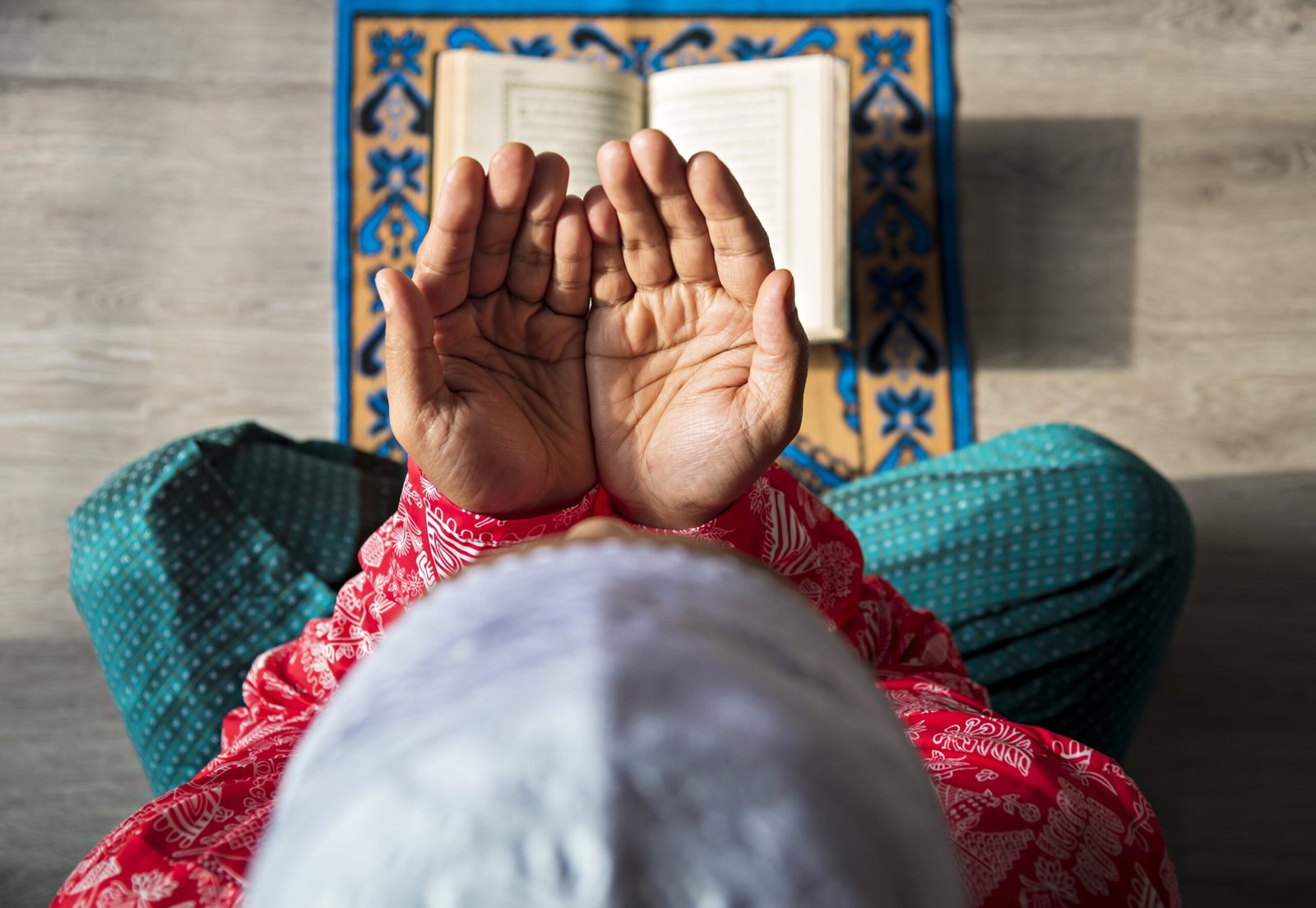
Salah calls us to pray five times a day, facing Mecca, in a beautiful rhythm that punctuates our routine. It’s like scheduled check-ins with the Divine, washing away worries with each prostration. Our tutors at Resala Academy guide beginners through the motions, making it feel accessible rather than intimidating.
The Five Daily Prayers Explained
From Fajr at dawn to Isha at night, each prayer has its timing and purpose, fostering discipline. I remember fumbling through my first Asr prayer as a teen, giggling at my awkward bows—now it’s my midday recharge. It’s a universal connector, uniting Muslims in synchronized devotion across time zones.
Overcoming Common Hurdles in Salah
Busy schedules often trip us up, but apps and quick wudu spots help. One academy parent joked it’s like herding cats to get kids praying, yet the family bonds it creates are heartwarming. The challenge? Consistency; the reward? A soul-soothing habit that quiets the mind’s chatter.
Pillar 3: Zakat – The Act of Giving
Zakat requires giving 2.5% of your savings annually to those in need, purifying your wealth and soul. It’s not charity out of pity but a right owed to the community, as if Allah’s saying, “Share the blessings.” Through Resala Academy’s outreach, we’ve seen how this pillar turns givers into grateful stewards.
Calculating and Distributing Zakat
Figure your nisab threshold—about 85 grams of gold’s value—then donate accordingly. It’s straightforward math with profound impact, funding everything from education to emergency aid. A student once shared donating her first paycheck felt liberating, like shedding financial baggage.
The Emotional Rewards of Generosity
Giving Zakat fosters empathy, reminding us we’re all in this together. There’s a funny side too—watching misers loosen up is like seeing ice melt in spring. Deep down, it heals hearts, turning potential envy into communal joy.
Pillar 4: Sawm – Fasting During Ramadan
Sawm means abstaining from food, drink, and more from dawn to dusk in Ramadan, building self-control and compassion. It’s a month-long detox for body and spirit, where hunger pangs teach gratitude. At the academy, we host virtual iftars, sharing stories that make fasting feel communal.
Health and Spiritual Benefits of Fasting
Beyond weight loss, it boosts empathy for the hungry and sharpens focus on prayer. I chuckled recalling my first fast, sneaking a date too early—lesson learned! Emotionally, it strengthens willpower, turning “I can’t” into “With Allah, I can.”
Tips for a Fulfilling Ramadan
Hydrate at suhoor, break fast gently, and mix in Quran reading. Challenges like irritability arise, but overcoming them feels triumphant. One learner described it as a spiritual marathon, crossing the finish line with renewed faith.
Pillar 5: Hajj – The Pilgrimage to Mecca
Hajj is the once-in-a-lifetime journey to Mecca for those able, symbolizing equality in simple ihram garments. It’s a profound reset, circling the Kaaba amid millions, feeling part of something eternal. Resala Academy offers prep courses, helping pilgrims grasp its deeper meanings.
The Rituals and Their Symbolism
From tawaf to stoning the devil, each step echoes Ibrahim’s story of submission. It’s exhausting yet exhilarating, like a faith boot camp. A returning hajji told me stripping away status humbled him, sparking lifelong humility.
Preparing for Hajj: Practical Advice
Save up, get fit, and study the rites—visas and crowds are real hurdles. The emotional high? Unmatched unity. Humorously, packing light means no souvenirs overload, focusing on spiritual gains instead.
Benefits and Challenges of Embracing the Pillars
Living by these pillars brings discipline, community, and inner peace, but it’s not without hurdles like time management or cultural clashes. Let’s break it down honestly.
Pros of Following the 5 Pillars
- Builds a strong moral compass, guiding ethical choices daily.
- Fosters global unity among Muslims, creating instant bonds.
- Enhances mental health through routine and reflection.
- Promotes social justice via giving and empathy.
Cons and How to Overcome Them
- Time commitment for prayers can clash with work—solution: flexible schedules or combined prayers for travelers.
- Financial strain from Zakat or Hajj—plan ahead and remember it’s an investment in the hereafter.
- Physical demands of fasting—consult doctors if health issues arise.
- Societal pressures in non-Muslim areas—join online communities like Resala for support.
Comparing the 5 Pillars to Practices in Other Faiths
Ever wondered how Islam’s pillars stack up against Christianity’s sacraments or Judaism’s mitzvot? Here’s a quick table to highlight similarities and unique aspects.
| Pillar/Practice | Islam (5 Pillars) | Christianity (e.g., Sacraments) | Judaism (e.g., Mitzvot) | Key Difference |
|---|---|---|---|---|
| Declaration of Faith | Shahada: Affirming oneness of God | Baptism: Entry into faith | Shema: Hear O Israel prayer | Islam emphasizes verbal testimony without clergy. |
| Prayer | Salah: 5 times daily | Lord’s Prayer: Daily devotion | Shema & Amidah: Thrice daily | Fixed times and direction in Islam for unity. |
| Giving | Zakat: 2.5% annual | Tithing: 10% offering | Tzedakah: Charitable giving | Islam’s fixed percentage for purification. |
| Fasting | Sawm: Ramadan month | Lent: 40 days partial fast | Yom Kippur: Full day fast | Islam’s dawn-to-dusk for empathy building. |
| Pilgrimage | Hajj: To Mecca once | Pilgrimage to Holy Land | Aliyah to Jerusalem | Mandatory for able Muslims, symbolizing equality. |
This comparison shows shared human quests for connection, but Islam’s pillars emphasize submission and community in distinct ways.
People Also Ask: Common Questions About the 5 Pillars
Drawing from what folks search on Google, here are real questions that pop up often, with straightforward answers to clear the fog.
What are the 5 pillars of Islam in order?
They are Shahada (faith declaration), Salah (prayer), Zakat (almsgiving), Sawm (fasting), and Hajj (pilgrimage). This sequence builds from belief to action, starting inward and expanding outward.
What do the 5 pillars of Islam mean?
Each represents a core duty: affirming faith, worshipping regularly, sharing wealth, self-disciplining through abstinence, and journeying for spiritual renewal. Together, they form a complete framework for righteous living.
What is the most important pillar of Islam?
Shahada is foundational, as without belief, the others lack meaning. Yet all interconnect—like legs on a table, remove one and it wobbles.
Are there 5 or 6 pillars of Islam?
Sunni Muslims recognize five; some Shia branches add concepts like jihad or imamate, but the core five remain universal.
Where to Learn More: Resala Academy’s Role
Craving hands-on guidance? Resala Academy offers online courses tailored to mastering these pillars, from Quran recitation to Arabic for deeper understanding. Sign up for a free trial at resala-academy.com and join live sessions with Al-Azhar graduates. For external resources, check Wikipedia’s detailed entry on the Five Pillars.
Best Tools and Courses for Beginners
Our beginner Quran classes integrate pillar teachings with practical tips. Transactionally, the “Complete Quran Course” at $49/month is a steal for lifetime skills. Pair it with apps like Muslim Pro for prayer reminders.
FAQ: Answering Your Burning Questions
How do the 5 pillars help in daily life?
They provide structure, like a daily planner from Allah, boosting focus and compassion. One student said Zakat shifted her from hoarding to helping, enriching her relationships.
Can non-Muslims practice the pillars?
While conversion starts with Shahada, anyone can try fasting or giving for personal growth—it’s universal wisdom. Just respect the spiritual intent.
What if I can’t perform Hajj due to health?
Intention counts; proxy Hajj or extra charity substitutes. Allah values effort over ability.
How has Resala Academy impacted learning the pillars?
Our interactive classes make abstract concepts real, with stories and quizzes. Graduates often share emotional breakthroughs, like finding joy in consistent Salah.
Are the pillars the same for all Muslims?
Core yes, but Shia add nuances like imamate. Unity prevails in practice.
Wrapping Up: Your Journey with the Pillars Starts Now
As we close this guide, picture yourself embodying these pillars—stronger, kinder, more connected. At Resala Academy, we’ve witnessed countless transformations, from hesitant beginners to confident practitioners. It’s not about flawless execution but sincere steps forward. Dive in, share your story with us, and let’s build faith together. Remember, every pillar climbed brings you closer to peace. Ready to enroll? Visit our site and let’s chat.