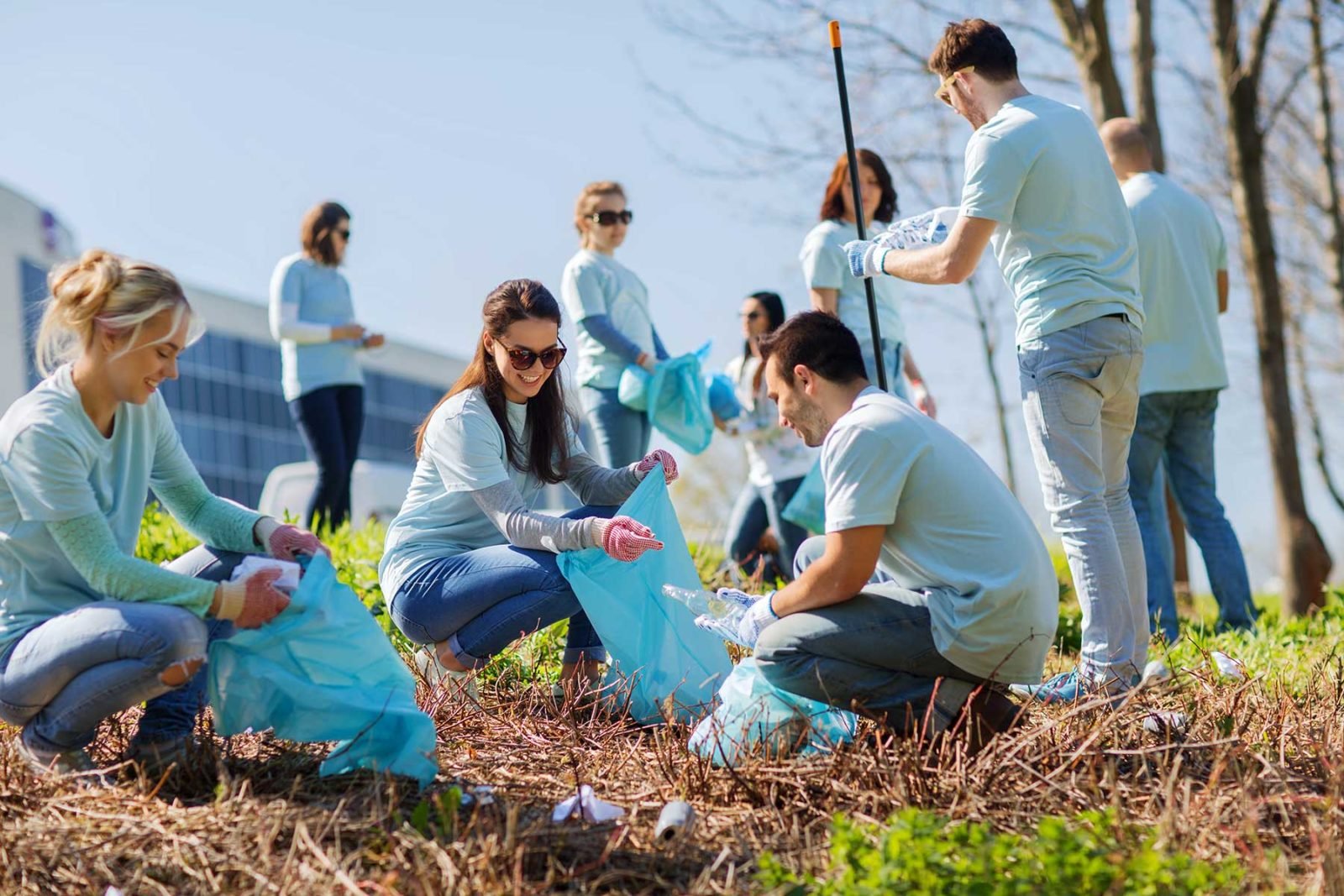
Have you ever felt that warm glow after helping someone out? That’s not just a fleeting feeling—it’s your body and mind thanking you. Volunteering isn’t just about giving back to the community; it’s a secret weapon for your own health. I remember when my neighbor, Sarah, started volunteering at a local shelter after retiring. She went from feeling aimless to energetic, and her doctor even noted her blood pressure dropping. Stories like hers aren’t rare, and science backs them up. In this article, we’ll dive deep into how lending a hand can boost your physical stamina, sharpen your mental edge, and even add years to your life.
What Is Volunteering and Why Does It Matter?
Volunteering means offering your time and skills without expecting payment, often to support causes like education, health, or the environment. It’s as simple as reading to kids at a library or as involved as organizing community events. But beyond the good deeds, it creates ripples that improve lives—including your own. Think of it as a two-way street where everyone wins.
The Roots of Volunteering in Society
From ancient community gatherings to modern nonprofits, volunteering has always been part of human connection. Today, organizations like the Red Cross rely on millions of volunteers worldwide. This tradition fosters empathy and builds stronger communities, but the personal perks are what surprise most people.
Physical Health Benefits of Volunteering
Picture this: instead of hitting the gym, you’re planting trees or walking dogs at an animal rescue. Sounds fun, right? Well, it turns out these activities pack a punch for your body. Research shows volunteers often report better overall health, with fewer hospital visits and more energy for daily life.
Lower Blood Pressure and Heart Health
One standout benefit is cardiovascular improvement. Adults over 50 who volunteer regularly are less likely to develop high blood pressure, a key risk for heart disease and stroke. In one study, committing about 200 hours a year slashed hypertension risk by 40 percent. It’s like your heart gets a workout from the kindness alone.
Increased Physical Activity and Mobility
Many volunteer roles involve movement, from stacking shelves at food banks to hiking trails for conservation. This natural exercise boosts muscle strength and balance, especially helpful as we age. Older volunteers in programs like tutoring kids showed better physical function after two years, including easier walking and fewer falls.
Reduced Risk of Chronic Illnesses
Volunteering correlates with managing conditions like diabetes or arthritis better. The stress relief and activity combo helps control inflammation and blood sugar. Plus, volunteers tend to adopt healthier habits, like quitting smoking, inspired by the positive environment.
Pros and Cons of Physical Engagement in Volunteering
- Pros: Builds endurance without gym fees; social motivation keeps you consistent; adapts to all fitness levels.
- Cons: Potential for overexertion if not paced; weather-dependent outdoor roles; initial soreness from new activities.
Mental Health Advantages from Giving Back
Let’s talk mind over matter—or in this case, mind boosted by matter of helping others. Volunteering flips the script on stress and blues, turning helpers into happier folks. My aunt, who battled anxiety after losing her job, found solace in mentoring teens. It gave her purpose and melted away worries.
Combating Depression and Anxiety
Helping others releases dopamine, that feel-good chemical, easing depressive symptoms. Studies reveal lower rates of depression among volunteers, particularly those over 65. It’s like a natural antidepressant, with the added bonus of real human connections.
Stress Reduction and Emotional Resilience
Ever notice how focusing on someone else’s needs pulls you out of your own head? That’s volunteering’s magic on stress. It lowers cortisol levels, promoting relaxation. Regular volunteers report higher life satisfaction and fewer anxiety spikes, building emotional armor for life’s curveballs.
Enhanced Cognitive Function and Brain Health
Engaging in volunteer tasks keeps your brain sharp, warding off cognitive decline. Activities like planning events or teaching skills stimulate memory and problem-solving. Research links late-life volunteering to brain protection against Alzheimer’s, with increased elasticity in neural connections.
Comparison: Volunteering vs. Traditional Therapy for Mental Health
| Aspect | Volunteering | Traditional Therapy |
|---|---|---|
| Cost | Free or low | Often expensive |
| Social Interaction | High, community-based | One-on-one or group |
| Immediate Impact | Quick mood boost | Gradual insights |
| Long-Term Benefits | Sustained purpose | Skill-building focus |
| Accessibility | Flexible schedules | Appointment-based |
Social Connections Built Through Service
Isolation can be a silent killer, but volunteering is the antidote. It throws you into diverse groups, forging bonds that last. I once joined a beach cleanup and ended up with lifelong friends—who knew picking up trash could lead to barbecues?
Fostering Friendships and Support Networks
Meeting like-minded people combats loneliness. Volunteers often form deep relationships, sharing stories and support. This social web provides emotional buffers during tough times, much like a built-in therapy group.
Sense of Belonging and Purpose
Feeling part of something bigger? That’s volunteering’s gift. It instills purpose, which studies tie to greater happiness. For retirees or empty-nesters, it’s a lifeline, reigniting passion and community ties.
Longevity and Overall Well-Being
Who doesn’t want to stick around longer? Volunteering might just be the fountain of youth. Comprehensive reviews show reduced mortality rates among regular volunteers, with benefits stacking up over time.
Evidence from Long-Term Studies
In umbrella reviews of multiple studies, volunteering linked to longer lives and better functioning. The effects are strongest on physical health, but mental perks contribute too. One trial with older adults tutoring kids saw brain health improvements after years of service.
Benefits Across Age Groups
Teens gain skills and confidence; adults balance work stress; seniors fight isolation. A study found high school volunteers had lower anxiety, while middle-aged ones managed chronic ills better.
Bullet Points: Key Longevity Boosters
- Lower mortality risk by up to 20-40% in consistent volunteers.
- Improved self-rated health and fewer limitations in daily activities.
- Enhanced immune function from reduced stress and positive emotions.
- Greater adherence to healthy lifestyles, like balanced diets.
Where to Get Started with Volunteering
Ready to jump in? Local options abound. Check community centers or apps like VolunteerMatch for nearby opportunities. National groups like Habitat for Humanity offer structured roles, perfect for beginners.
Finding Opportunities in Your Area
Start with causes you care about—animals, kids, environment? Websites like volunteermatch.org match skills to needs. Or visit local nonprofits; many have open houses.
Virtual Volunteering Options
Can’t leave home? Online roles like tutoring via Zoom or graphic design for charities work wonders. Platforms like unv.org connect global volunteers digitally.
Best Tools and Resources for Volunteers
Gear up with apps and sites that streamline service. Tools like SignUpGenius for scheduling or Trello for project management make it easy. For health tracking, apps like MyFitnessPal monitor activity gains from volunteering.
Top Apps for Finding and Managing Volunteer Work
- VolunteerMatch: Personalized opportunity searches.
- Idealist: Job-like listings with impact details.
- Golden: Senior-focused, with health benefit tracking.
Essential Gear for Common Volunteer Activities
From gloves for cleanups to notebooks for mentoring, prep smart. Invest in comfortable shoes—your feet will thank you during those long shifts.
People Also Ask
Based on common searches, here are real questions people have about volunteering’s health perks.
What Are the Benefits of Volunteering?
Volunteering boosts physical activity, reduces stress, and enhances social ties, leading to better health overall.
How Does Volunteering Improve Mental Health?
It combats loneliness, provides purpose, and triggers endorphin release, lowering depression and anxiety risks.
Is Volunteering Good for Physical Health?
Yes, it promotes movement, lowers blood pressure, and reduces chronic disease chances through active engagement.
Why Is Volunteering Important for Society?
It strengthens communities, fosters empathy, and addresses needs while benefiting volunteers’ well-being.
Can Volunteering Help with Career Development?
Absolutely—gains skills, networks, and resume boosters that advance professional growth.
FAQ
How Much Time Should I Volunteer to See Health Benefits?
Aim for 100-200 hours a year; even a few hours weekly can lower stress and improve mood.
Is Volunteering Suitable for All Ages?
Yes, from kids learning empathy to seniors staying active—benefits adapt to life stages.
What If I’m Introverted—Can I Still Volunteer?
Absolutely; choose low-key roles like data entry or animal care for gradual social exposure.
Does Volunteering Really Extend Lifespan?
Studies suggest yes, with lower mortality linked to regular service, especially when motivated by helping others.
How Can I Balance Volunteering with a Busy Schedule?
Start small with flexible options; virtual or weekend gigs fit easily into packed lives.
Wrapping Up: Your Next Step in Volunteering
So there you have it—volunteering isn’t just noble; it’s a health hack. Whether you’re seeking better fitness, mental clarity, or social spark, giving time pays dividends. Why not try it? Head to a local event or sign up online. You might just find, like Sarah did, that helping others heals you too. For more on starting, check our guide on community involvement. And remember, every act counts.