Hey there, fellow wanderer. Picture this: I’m standing at the base of the Great Pyramid in Giza, the sun beating down like an old friend who’s a bit too enthusiastic, and I can’t help but feel tiny in the grand scheme of things. That moment hit me hard—how these ancient stones have outlasted empires, wars, and countless sunrises. If you’re like me, chasing stories etched in stone and brick, then buckle up. We’re diving into the world’s must-see historical places, spots that whisper secrets from the past and make you rethink your place in history. From crumbling ruins that survived millennia to palaces dripping with opulence, these sites aren’t just checkpoints on a map; they’re portals to bygone eras. Let’s explore them together, shall we?
Why Historical Places Matter More Than Ever
In a world buzzing with notifications and instant everything, stepping into a historical site feels like hitting pause. These places remind us of human ingenuity, folly, and resilience. Think about it—they’ve seen triumphs like the building of grand temples and tragedies like forgotten battles. Visiting them isn’t just tourism; it’s a conversation with history. And honestly, in my travels, nothing beats that rush of connection, like when I hiked to Petra at dawn and felt like Indiana Jones (minus the whip, thankfully). Plus, they’re perfect for unplugging—try scrolling Instagram while staring at Machu Picchu’s misty peaks. Spoiler: You won’t want to.
Iconic Historical Sites in Europe
Europe’s like a living museum, packed with layers of history from Roman gladiators to Renaissance masters. It’s where empires rose and fell, leaving behind treasures that still draw millions. I’ve lost count of the times I’ve wandered cobblestone streets, imagining knights or philosophers strolling the same paths. But beware: summers can be crowded, so aim for shoulder seasons for that peaceful vibe.
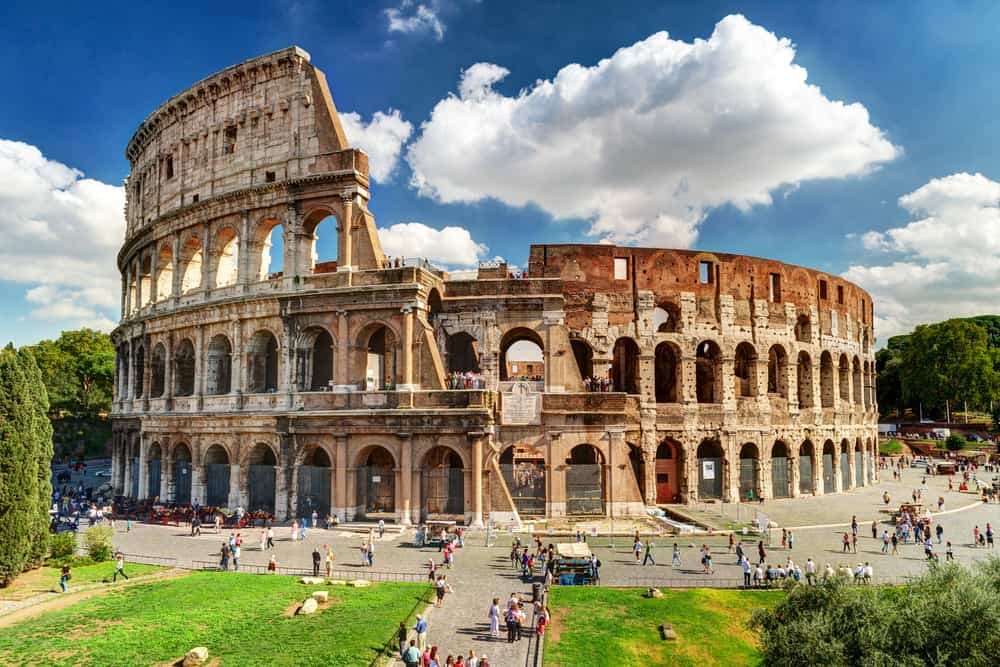
The Colosseum in Rome, Italy
Ah, the Colosseum—Rome’s brutal yet beautiful arena where gladiators fought for glory (or their lives). Built around 70-80 AD, this massive amphitheater could hold 50,000 spectators cheering on everything from mock sea battles to wild animal hunts. I remember ducking into its shadowy arches on a rainy afternoon, feeling the echoes of ancient roars; it’s humbling how something so violent now stands as a symbol of engineering genius.
The Acropolis in Athens, Greece
Perched high above Athens like a crown, the Acropolis dates back to the 5th century BC, with the Parthenon as its star. Dedicated to Athena, it’s a masterpiece of classical architecture that survived invasions and even explosions. On my visit, I climbed those marble steps at sunset, the city sprawling below, and felt a pang of awe—how did they build this without modern tools? It’s a reminder of democracy’s birthplace, flawed yet foundational.
Stonehenge in Wiltshire, England
Mysterious Stonehenge, with its massive standing stones arranged in a circle around 2500 BC, still baffles experts. Was it a calendar, a burial site, or an ancient observatory? I camped nearby once (don’t judge—budget travel!), waking to fog-shrouded monoliths that looked straight out of a fantasy novel. Touching them isn’t allowed anymore, but the site’s energy is palpable, especially during solstice gatherings.
Timeless Treasures of Asia
Asia’s historical sites blend spirituality, conquest, and sheer scale in ways that leave you speechless. From towering walls snaking through mountains to temples swallowed by jungles, this continent’s past feels alive. I once got lost in Angkor Wat’s corridors (literally—bring a map), emerging with a deeper respect for the Khmer empire’s artistry.
The Great Wall of China
Stretching over 13,000 miles, the Great Wall started in the 7th century BC but got its Ming Dynasty glow-up around the 14th-17th centuries. It’s not just a barrier against invaders; it’s a symbol of China’s enduring spirit. Hiking the Mutianyu section, I puffed my way up steep steps, rewarded with views that made me laugh at my out-of-shape self—totally worth the sore legs.
Taj Mahal in Agra, India
Built in 1632 by Emperor Shah Jahan for his beloved wife, the Taj Mahal is love carved in marble. Its symmetrical gardens and intricate inlays glow at dawn, when crowds are thinner. I arrived early one morning, mist rising from the Yamuna River, and teared up a bit—it’s that romantic. But fair warning: the heat can be brutal, so hydrate like your life depends on it.
Angkor Wat in Siem Reap, Cambodia
This 12th-century temple complex, originally Hindu then Buddhist, sprawls over 400 acres with bas-reliefs depicting epic battles. Exploring by bike, I dodged monkeys and marveled at tree roots reclaiming ruins—nature’s way of saying “I’m in charge now.” It’s a humbling spot, especially at sunrise when the silhouette against the sky feels otherworldly.
Petra in Jordan
Carved into rose-red cliffs by the Nabataeans around 300 BC, Petra’s Treasury emerges dramatically from a narrow gorge. I trekked the Siq path at twilight, heart pounding with anticipation, and bam—there it was, like a hidden gem. Beyond the facade lie tombs and theaters; climb to the Monastery for views that make the 800 steps feel like a bargain.
Ancient Marvels of Africa and the Middle East
Africa and the Middle East cradle humanity’s earliest stories, with sites that pulse with mystery and power. From pharaohs’ tombs to holy cities, these places evoke a sense of origin. My Nile cruise to the pyramids was life-changing—camels, sand, and secrets all in one.
Pyramids of Giza in Egypt
The last surviving Ancient Wonder, these pyramids from 2580-2565 BC house pharaohs like Khufu. Standing beside the Great Pyramid, I felt dwarfed, pondering the 2.3 million blocks hauled without wheels. Ride a camel for fun (they’re grumpy but photogenic), and don’t miss the Sphinx—its enigmatic smile has guarded secrets for millennia.
The Alhambra in Granada, Spain
Though in Europe, Alhambra’s Moorish roots tie it to the Middle East. This 13th-14th century palace-fortress boasts intricate arabesques and reflecting pools. Wandering its gardens, I sipped mint tea imagining sultans plotting—it’s poetic, with views over Granada that steal your breath. Book tickets early; it’s popular for a reason.
Enigmatic Sites of the Americas
The Americas’ historical places tell tales of indigenous brilliance and colonial clashes. From cloud-kissed citadels to cliff dwellings, they’re raw and rugged. Hiking Machu Picchu’s Inca Trail tested my limits, but the payoff? Unforgettable.
Machu Picchu in Peru
This 15th-century Inca citadel, perched at 7,970 feet, was “rediscovered” in 1911. Terraced fields and stone structures blend seamlessly with the Andes. I arrived via train, mist parting to reveal the site, and felt a spiritual pull—it’s like the mountains themselves built it. Altitude sickness is real, so acclimate in Cusco first.
Chichen Itza in Mexico
A Mayan powerhouse from the 5th-13th centuries, Chichen Itza’s Kukulkan Pyramid casts serpent shadows during equinoxes. Climbing isn’t allowed now, but exploring the ball court where losers met grim fates adds thrill. I visited during a light show, pyramids glowing under stars—magical, with a side of history’s dark humor.
Mesa Verde in Colorado, USA
Ancestral Puebloans’ cliff dwellings from 600-1300 AD hug canyon walls. Touring Balcony House, I crawled through tunnels imagining daily life—pottery, farming, survival. It’s a poignant reminder of Native American heritage, often overlooked in global lists but deeply moving.
Comparing Ancient Engineering Marvels
Historical sites showcase mind-blowing feats. Here’s a quick table comparing a few:
| Site | Era | Key Feature | Why Visit? |
|---|---|---|---|
| Pyramids of Giza | 2580 BC | Massive stone blocks | Engineering mystery |
| Great Wall of China | 7th BC onward | Length and watchtowers | Scale and defense story |
| Machu Picchu | 1450 AD | Terraced agriculture | Harmony with nature |
| Colosseum | 70 AD | Amphitheater design | Gladiatorial drama |
These wonders highlight diverse approaches to building eternity.
Pros and Cons of Visiting Crowded Historical Sites
Pros:
- Shared energy from fellow travelers adds excitement.
- Guided tours offer deep insights you might miss alone.
- Infrastructure like cafes and restrooms make it comfy.
Cons:
- Overcrowding can dilute the magic—think selfie sticks everywhere.
- Higher costs for tickets and transport during peak times.
- Environmental strain; some sites limit access to preserve them.
Balance by going off-peak or opting for virtual tours first.
People Also Ask: Common Questions About Historical Places
Drawing from real searches , here are some top queries:
- What are the top 10 historical places in the world? Taj Mahal, Angkor Wat, Pyramids of Giza, Machu Picchu, Petra, Colosseum, Great Wall, Acropolis, Alhambra, and Easter Island often top lists for their cultural impact.
- What’s the most famous historical site? The Pyramids of Giza edge out others as the only surviving Ancient Wonder, drawing over 14 million visitors yearly.
- How can I visit historical places on a budget? Look for free entry days, use public transport, and stay in hostels—many sites like Stonehenge have affordable audio guides.
- Are there underrated historical sites? Absolutely; try Lumbini in Nepal, Buddha’s birthplace, or Persepolis in Iran for fewer crowds and rich stories.
Navigational Tips: Where to Find These Gems
Planning a trip? Start with major hubs. For Europe, fly into Rome or Athens [external link: https://www.tripadvisor.com]. Asia’s sites like Angkor Wat are near Siem Reap airport. In the Americas, Cusco is your gateway to Machu Picchu. Internal links: Check our guide on [best tools for booking flights] for deals.
Transactional Advice: Best Tools for Exploring History
Gear up with apps like Google Maps for navigation or Rick Steves’ audio tours for insights. Book skip-the-line tickets via [Viator] [external link: https://www.viator.com] to avoid queues. For immersive experiences, VR headsets like Oculus let you “visit” from home—great for pre-trip hype.
Bullet Points: Essential Tips for History Buffs
- Pack comfortable shoes; sites like Petra involve lots of walking.
- Respect rules—no touching artifacts, and dress modestly at religious spots.
- Hire local guides; their stories add flavor you won’t find in books.
- Capture ethically; drones are banned at many sites to protect heritage.
- Combine visits; see the Colosseum and Forum in one Rome day.
A Personal Anecdote: My Brush with History’s Ghosts
Years ago, in Petra, I strayed off the main path at dusk. The fading light turned the rocks blood-red, and for a moment, I swore I heard echoes of ancient caravans. It spooked me, but in a good way—reminded me history isn’t dead; it’s just waiting to be felt. That’s the magic: these places stir something primal, connecting us across time.
The Emotional Pull of Preservation
Visiting these sites isn’t without heartache. Climate change threatens places like Venice’s historic canals, while overtourism erodes others. I once saw graffiti on Angkor’s walls—heartbreaking. Support sustainable tourism; choose eco-friendly operators and leave no trace. It’s our duty to ensure future generations feel that same awe.
Wrapping Up: Your Next Historical Adventure Awaits
We’ve journeyed through stone sentinels and marble masterpieces, each telling a slice of humanity’s saga. Whether it’s the Taj’s romantic whisper or Giza’s stoic gaze, these must-see historical places beckon. Grab your passport, pack curiosity, and go make memories. Who knows? You might just find a piece of yourself in the past. Safe travels!
FAQ
What is the oldest historical place in the world?
Göbekli Tepe in Turkey, dating to 9600 BC, holds that title as a prehistoric temple complex predating Stonehenge by millennia .
How many UNESCO World Heritage Sites are there?
Over 1,100, with Italy leading at 58. Many must-sees like the Taj Mahal and Great Wall are inscribed for their universal value .
What’s the best time to visit Machu Picchu?
Dry season (May-September) offers clear skies, but book Inca Trail permits early—it’s limited to 500 daily .
Are historical sites accessible for everyone?
Many are improving; the Colosseum has elevators, but rugged spots like Petra require planning. Check sites like [AccessibleGO] for tips [external link: https://www.accessiblego.com].
Why do some historical places feel eerie?
It’s the weight of time—millions of lives echoed there. Embrace it; that’s the emotional appeal that keeps us coming back.